
Granite is one of the most dependable natural stones used in residential and commercial construction. Its exceptional strength, attractive appearance, and resistance to daily wear make granite slabs suitable for kitchens, flooring, staircases, wall cladding, and outdoor installations. However, many buyers have questions before making a purchase, especially when selecting materials for a long-term investment.
Understanding the answers to these common questions helps homeowners, builders, architects, and contractors choose granite with greater confidence.
How Thick Should Granite Slabs Be
Granite slabs are available in different thicknesses depending on their intended application.
Generally:
- Kitchen countertops require thicker slabs.
- Flooring uses standard thicknesses.
- Wall cladding often uses lighter slabs.
- Staircases may require additional strength.
Selecting the appropriate thickness improves durability and installation quality.
Does Every Granite Slab Look the Same
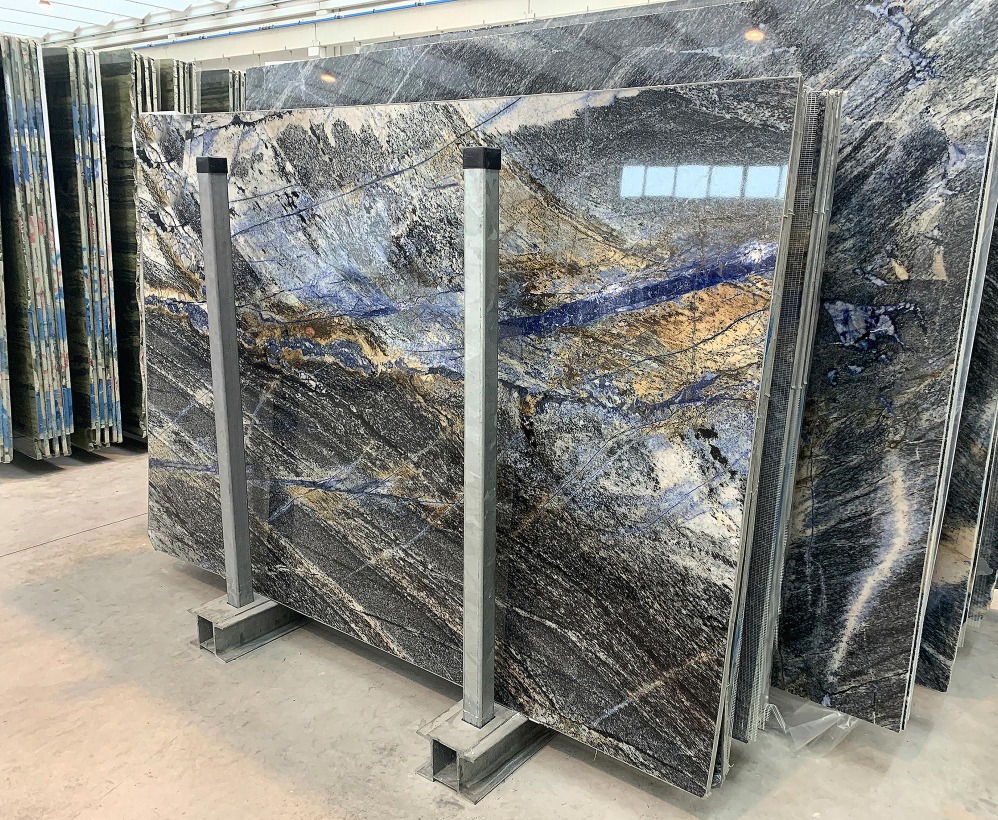
No. Granite is a natural material, and every slab has its own grain pattern, mineral composition, and color variation.
This uniqueness is one of the reasons granite remains highly valued in interior and architectural design.
Before purchasing, inspect multiple slabs together to ensure consistency for your project.
Which Finish Should You Choose
Granite is available in several finishes.
Popular options include:
- Polished
- Honed
- Leathered
- Flamed
Each finish offers a different appearance and level of slip resistance, making certain finishes more suitable for specific applications.
Is Granite Easy to Maintain
Granite is considered relatively low maintenance when cared for properly.
Simple maintenance includes:
- Regular cleaning
- Prompt removal of spills
- Periodic sealing when recommended
- Avoiding harsh chemicals
Following these practices helps preserve its appearance for years.
Can Granite Be Used Outdoors
Yes. Many granite varieties perform exceptionally well in outdoor environments because of their natural strength and resistance to weather conditions.
They are commonly used for:
- Outdoor steps
- Garden pathways
- Building exteriors
- Landscape features
Choosing the correct finish improves safety in exposed areas.
Why Should Buyers Inspect Slabs Personally
Photographs rarely capture the complete appearance of natural granite.
Visiting a supplier allows buyers to examine:
- Natural grain patterns
- Surface polish
- Thickness
- Color consistency
- Edge quality
This reduces the likelihood of unexpected variations after installation.
Local Availability Supports Faster Project Execution
Construction professionals and homeowners carrying out projects in Jayanagar often benefit from nearby suppliers because material inspections, delivery scheduling, and additional slab requirements can be managed more efficiently.
Businesses such as Nakoda Marble offer multiple granite slab options suitable for homes, commercial buildings, hospitality projects, and institutional developments while helping customers compare different natural stone collections.
Choosing Granite for Long-Term Performance
When purchasing granite slabs, focus on overall quality rather than price alone.
Consider:
- Material durability
- Finish quality
- Design compatibility
- Maintenance requirements
- Availability of matching slabs
A carefully selected granite slab not only enhances the appearance of a property but also delivers dependable performance for decades, making it one of the most practical investments in natural stone construction.


