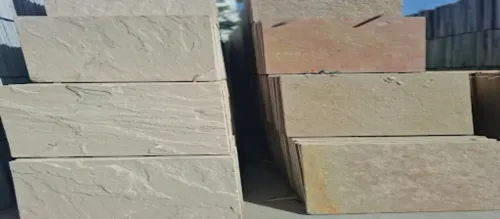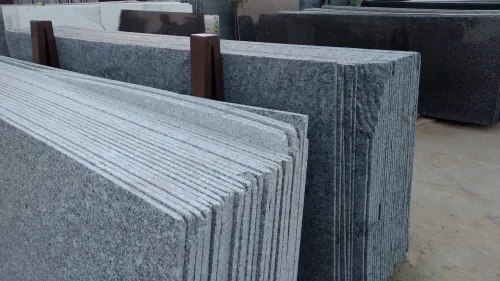
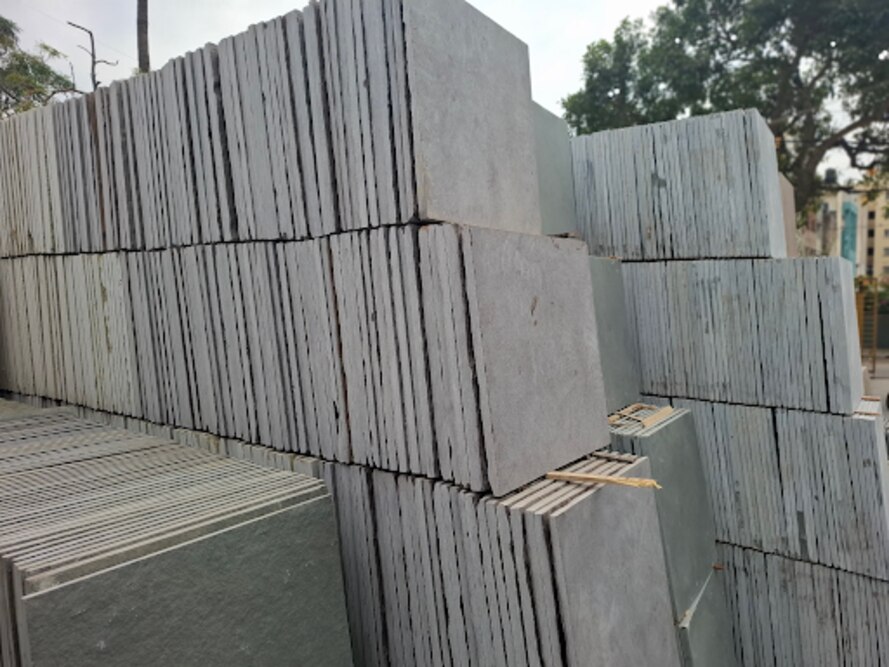
A low stone price does not tell you whether the delivered Kota flooring will match the approved sample, arrive undamaged, fit the specified dimensions, or perform safely in its location. By the end, you will have a practical way to screen suppliers, compare the true project cost, inspect material, and document installation and replacement requirements before placing an order.
Key takeaways
- Request quarry source, finish, thickness, sizes, and calibration details.
- Inspect samples for cracks, shade variation, edge damage, and uneven thickness.
- Compare delivered cost after adding cutting, transport, wastage, and installation.
- Record testing, acceptance, installation, and replacement terms before ordering.
Screen the Supplier Before You Compare Quotations
A quotation is not reliable until the Kota stone flooring supplier identifies what will be delivered and how it will be accepted. Request quarry source details, the proposed finish, nominal thickness and sizes, calibration status, and whether pieces are factory-cut or site-cut.
A showroom piece alone proves little: approve a representative lot sample or mock-up, then require delivered stone to match it before installation.
Ask for these documents and written terms:
- Batch information linking the sample, quotation, invoice and delivery, with stated tolerance for shade, open pores, patches, cracks, warping and edge damage.
- Test reports naming the method, specimen condition and units: ASTM C97/C97M for water absorption and bulk specific gravity, ASTM C170/C170M for compressive strength, plus abrasion and wet slip evidence for the specified finish.
- A dimension schedule stating actual length, width, thickness, squareness, calibration and allowable variation.
- Invoice terms covering GST, packing, transport, unloading, breakage allowance, inspection timing and rejection procedure.
- A replacement policy and named complaint contact, including the deadline for reporting shortages, defects or a mismatch with the approved sample.
| Evidence | What to verify | Why it matters |
|---|---|---|
| Source record | Quarry, lot and batch information | Connects delivered stone to the approved material |
| Finish evidence | Polished, honed, brushed or cleft finish with wet slip basis | “Kota is non-slip” is not a specification |
| Acceptance record | Signed sample approval and inspection criteria | Prevents disputes over shade, texture and defects |
Inspect the Stone and Confirm the Dimensions
Reject a batch before installation if its pieces are cracked, warped, badly chipped, porous, or inconsistent with the approved sample. A proper Kota stone inspection checks both visible defects and measurements; a showroom piece alone cannot represent the delivered lot.
1. Examine pieces from several bundles, not just the top tile. Look for cracks and edge damage, open pores and patched areas, pinholes, uneven texture, stains, and shade changes. Reject pieces with repairs that remain visible after finishing.
2. Place two pieces face to face and on a flat surface. Check rocking, bowing, corner lift, squareness, and straight edges. Measure length, width, and thickness at multiple points; record thickness variation across the batch rather than accepting the nominal figure.
3. Put the agreed specification on the order: nominal length, width and thickness, actual allowable variation, calibration status, finish, edge treatment, and whether pieces are factory cut or site cut. Uncalibrated stone demands extra bedding adjustment and can create lippage when installation was priced for uniform tiles.
4. Approve a representative lot sample or mock-up before dispatch. Include the actual substrate, bedding or adhesive, joint width, grout, edge detail, finish, and cleaning method; this reveals shade mismatch, grout staining, pinholes, and lippage that loose samples hide.
5. Compare delivered pieces with the approved sample before laying. Photograph defects, count usable tiles, and hold installation until the supplier confirms replacement for cracked, short, out-of-size, or out-of-shade material in writing.
Compare Delivered Cost and Order the Right Quantity
Calculate the delivered cost per usable square metre, not just the quoted stone rate. Measure each room, subtract areas excluded from flooring, and confirm whether the quotation uses square feet or square metres. Add material for cut pieces, breakage and replacement stock based on the layout, not a guessed percentage.
Order using the supplier’s nominal tile size and joint width because factory-cut and site-cut pieces provide different coverage.
- Request a written quantity basis showing room area, tile dimensions, joint width, nominal thickness, calibrated or uncalibrated stock, and allowable dimensional variation.
- Map the actual layout, including doorways, columns, stairs and borders, then count full pieces and cut pieces. This reveals whether the quoted quantity leaves usable offcuts.
- Price extra work separately: cutting and edge finishing, corner details, loading, unloading, packing and transport.
- Add GST and installation cost to the material figure. Uncalibrated pieces can increase bedding adjustment and labour when the installer expected uniform thickness.
- Compare the final figure for the same finish, thickness, quantity and delivery point.
| Cost item | Include in comparison | Why it matters |
|---|---|---|
| Stone | Rate × usable quantity | A low rate can hide high waste |
| Cutting and edge finishing | Per piece or running metre | Borders and stairs add labour |
| Packing and transport | Packing, loading, freight and unloading | Damage or access limits change the total |
| GST and installation cost | Tax and laying, bedding, grouting | The finished floor costs more than supply |
| Wastage and breakage | Layout allowance and replacement reserve | Short orders delay completion and shade matching |
Match the Finish and Performance to the Location
Choose the finish for the service environment, not simply because the stone is Kota. The same slab can behave differently after polishing, honing, brushing, or cleaving.
| Location | Suitable finish and use | Evidence to request |
|---|---|---|
| Bathroom | Honed finish; use brushed and naturally cleft finishes only if their texture and cleaning demands suit the design | Wet slip resistance test or documented rating for the quoted finish, plus guidance for standing water and grout |
| Entrance | Honed or textured finish rather than polished Kota stone where rainwater and tracked dirt are likely | Wet slip resistance evidence and confirmation whether the material is for internal dry space, covered exterior, or exposed paving |
| Kitchen | Honed finish with a maintenance specification; avoid finishes that make stains difficult to remove | Written approval for a neutral stone cleaner and warning against vinegar, hydrochloric acid, toilet-acid products, and acidic cement removers |
| Balcony | Textured finish suited to exterior drainage; confirm frost exposure is irrelevant or addressed for the site | Wet slip resistance, water-management guidance, and suitability for exposed paving |
| Ramp | Textured or naturally cleft surface selected for traction, with carefully finished edges | Wet slip resistance evidence for the actual finish and slope-specific installation advice |
| Lobby | Honed or polished Kota stone where appearance and cleaning justify it | ASTM C241/C241M abrasion-resistance result, not compressive strength alone |
| Commercial circulation area | A finish specified for sustained foot traffic and cleaning frequency | Abrasion result, wet slip evidence at entrances, and a documented replacement allowance |
Ask Nakoda Marble to record the location, finish, thickness, and performance evidence on the quotation so a showroom sample does not become an unsuitable floor.
Put Installation, Testing, and Replacement Terms in Writing
A supplier’s stone rate does not make a durable floor unless the quotation also defines the installation system, performance evidence, and remedy for defective or damaged material.
Ask for these terms in the purchase order:
- Record base preparation and screed flatness, including who corrects hollows, high spots, dampness, or weak areas before laying.
- State the bedding method, mortar or adhesive type, nominal bed thickness, and joint width. Do not accept “standard laying” as a specification.
- Mark movement joints and perimeter separation at large areas, changes in plane, columns, thresholds, and material transitions. Include the curing period and protection method.
- Require a representative lot sample or site mock-up using the actual substrate, bedding, joint width, grout, edge detail, finish, and cleaning process.
- For a lobby, shop, corridor, or other high-traffic area, request an abrasion-resistance result to ASTM C241/C241M, not only compressive-strength figures.
| Term | Write into the order | Why it matters |
|---|---|---|
| Delivered-lot approval | Check shade, pores, texture, thickness, and defects against the approved sample before laying | A showroom piece cannot reveal lot variation |
| Damage replacement | Supplier replaces cracked, warped, chipped, or transit-damaged pieces within a stated period | Hidden damage does not become the installer’s liability |
| Dimensional tolerance | State allowable variation, calibration, squareness, and acceptable lippage | Uncalibrated pieces demand extra bedding adjustment |
| Complaint procedure | Name the inspection window, photographs required, response time, and collection or replacement responsibility | Verbal assurances are difficult to enforce |
Reject clauses that make you pay for replacement stone when the delivered batch fails the approved specification.
Frequently asked questions
What details should you request before comparing Kota stone quotations?
Ask for the quarry source, proposed finish, nominal thickness, available sizes, calibration status, and whether pieces are factory-cut or site-cut.
How do you compare the real cost of Kota stone flooring?
Compare the delivered total, including stone, cutting, transport, unloading, wastage, and installation rather than comparing the slab rate alone.
How should Kota stone be matched to its location?
Choose the finish and thickness according to traffic, moisture, slip exposure, cleaning needs, and whether the stone is used indoors or outdoors.
What should a Kota stone flooring order include in writing?
Record the material specification, inspection and testing method, installation scope, acceptance conditions, and terms for replacing damaged or rejected pieces.