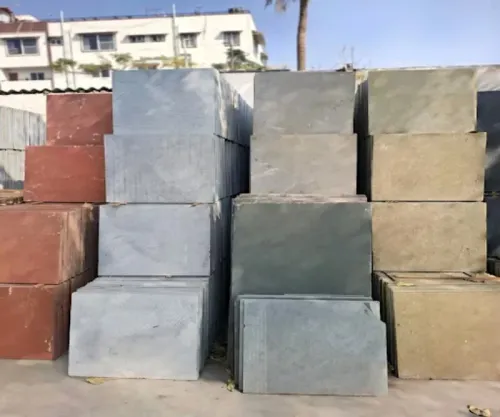
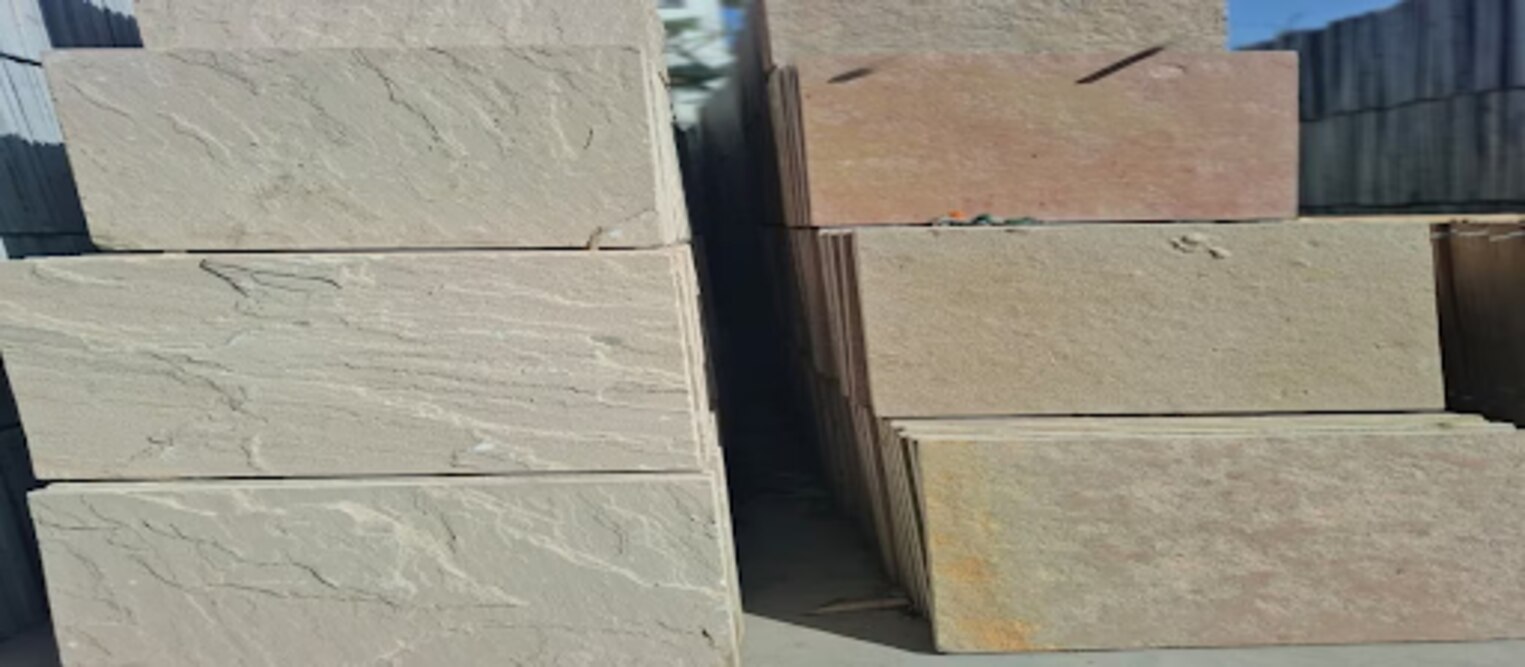
A custom stone detail can fail long before installation if the selected slabs, fabrication plan, quantity calculation and site conditions do not align. By the end, you will know what a specialist slabs supplier contributes at each stage, what to inspect and document, and how to compare the real cost of competing quotes.
Key takeaways
- Approve the actual slabs, not only a stone name or sample.
- Reserve matching slabs before cutting book-matched panels or waterfall edges.
- Compare slab area, usable yield, fabrication and delivery in every quotation.
- Document slab details and installation plans for future repairs or replacement.
What a slabs supplier contributes beyond a tile-shop sale
Custom stone projects need a natural stone slabs supplier because the purchase involves design coordination, material continuity and installation planning—not simply choosing a surface from a display. A tile-shop comparison usually ends with cartons and a product code; slabs require approval of the actual pieces, especially for book-matched walls, waterfall counters, staircases and large-format flooring.
- Reserve slabs from the same block or lot, reducing mismatched colour, veining, thickness and pore structure across connected areas.
- Translate drawings into cutting information, including finished dimensions, seam locations, vein direction, sink cut-outs, appliance clearances and visible faces.
- Coordinate substrate flatness, movement joints, waterproofing, adhesive selection and curing, because uneven substrates can crack stone and trapped moisture can cause staining or adhesive failure.
- Plan transport, storage, lifting routes and access. A 20 mm stone slab weighs roughly 52–56 kg per square metre before crates and handling equipment; 30 mm weighs about 78–84 kg.
- Align the quarry, processor, fabricator and installer so responsibility does not disappear between handoffs.
A fabricator brings cutting expertise but may not control slab selection or replacement stock. A quarry and separate processor can supply material, yet leave the architect or contractor to reconcile finishes, tolerances and delivery.
One supplier gives architects and contractors a project-level reference point while different stones—such as marble, granite and Kota stone—receive specifications suited to their actual use.
How suppliers turn a design concept into reserved, usable slabs
A sample cannot confirm how the finished surface will look. A supplier brings the actual slabs together for slab selection, checking background colour, vein direction, fissures, pore structure and thickness before you approve the layout.
1. Match the slabs to the drawing. For book-matched walls, the supplier sequences adjacent slabs and marks the centreline, vein direction and visible face. For a waterfall counter, the layout continues the top’s vein over the edge and identifies the return piece.
2. Reserve the selected slabs against the project, recording slab numbers, dimensions, thickness, finish and lot. This prevents a later purchase from introducing a different colour or vein pattern into a wall, staircase or large-format flooring area.
3. Convert the design into cutting information. The supplier and fabricator mark custom dimensions, sink and hob cut-outs, stair treads, risers, edge build-ups, curves and reject zones. Curved work needs a suitable slab thickness and fabrication method; unsupported cantilevers may need concealed support or reinforcement.
4. Confirm that the stone suits the build-up, not just the drawing. Check substrate flatness, movement joints, waterproofing, adhesive, curing and moisture before fabrication. Trapped moisture or movement can stain stone, loosen adhesive or telegraph cracks through a precisely cut piece.
5. Plan handling around weight and access. A 20 mm slab weighs roughly 52–56 kg per square metre; 30 mm weighs about 78–84 kg. The supplier coordinates crates, lifting routes, storage, delivery and breakage risk before installation day.
What to inspect and document before approving the material
Approve the actual slabs, not a showroom sample, before fabrication. Natural stone can change in background colour, veining, pore structure and fissures between blocks or quarry lots, so lay out every reserved slab for book-matched walls, large islands and continuous flooring.
During slab inspection, photograph each face and record its identification number, orientation, visible fissures, open veins, pits, stains, chipped corners, resin-filled fissures, factory repairs and mesh backing. These treatments are not automatically defects, but they affect cutting, edge finishing, heat exposure and future repairs.
A fissured slab might suit a vertical wall yet need engineered support for a loaded or unsupported worktop.
Check and document:
- Measured length, width, nominal thickness and slab thickness variation after calibration and polishing
- Finish, vein direction, colour consistency and the location of any reject areas
- Water absorption, density, flexural strength and abrasion data when the application requires them
- Intended edge profile, sink and hob cut-outs, seam positions, appliance clearances and visible faces
- Support requirements for cantilevers, stair treads, large pieces and waterfall edges
| Document or record | What to verify | Why it matters |
|---|---|---|
| Batch or lot record | Slab numbers and source lot | Supports matching and replacement |
| Test report | Stone type, density, absorption and strength values | Confirms suitability for the application |
| Supplier disclosure | Repairs, resin, mesh and finish | Prevents cutting and maintenance surprises |
| Approved cutting drawing | Dimensions, orientation and seams | Reduces irreversible fabrication errors |
Have the supplier sign the approved slab layout and retain photographs, measurements and disclosures with the fabrication drawings.
How to calculate quantity and compare a supplier quotation
Start with the finished dimensions, then calculate slab area from the cutting layout rather than adding a blanket percentage. Usable quantity equals the area that remains after positioning seams, sink and hob cut-outs, vein direction, book-matching and cracked or resin-filled zones.
Add a cutting allowance for saw kerfs, edge trimming and fabrication tolerance, then price any planned spare slabs separately.
Give the supplier this cutting schedule:
- Finished length and width of every piece
- Seam positions, visible faces and vein direction
- Sink type, hob opening and appliance clearances
- Edge profile, edge build-up and polished or exposed edges
- Required thickness, finish and book-match sequence
- Spare pieces for future repairs
A 20 mm slab weighing about 52–56 kg per square metre, or a 30 mm slab weighing about 78–84 kg, changes the delivery vehicle, lifting equipment, access route and handling charge.
For a Bengaluru project, Nakoda Marble can help test whether the planned slab size and crate can reach the site without stair, gate or breakage problems.
Compare quotations by delivered and fabricated cost, not by slab rate alone.
| Item | Ask the supplier to show | Why it changes the total |
|---|---|---|
| Stone | Slab count, dimensions, lot and usable yield | Vein matching and stone wastage can require another slab |
| Fabrication | Cut-outs, seams, edge profiles and polishing | Complex details cost more than straight cuts |
| Logistics | Crating, transport, unloading and lifting | Weight and restricted access add handling charges |
| Risk | Breakage provision and spare quantity | A later replacement may not match the original lot |
| Tax | GST and other charges | Prevents false comparison between headline prices |
Related products
 | Natural Stone Nakoda Marble is a leading natural stone supplier in Bangalore, offering a wide range of premium stones including marble, granite, slate, sandstone,... View product → |
 | natural stone focuses on its natural strength, earthy appeal, and versatility for high-traffic areas, with key export considerations including durability, finish... View product → |
How the supplier coordinates installation, performance and future replacement
Performance on site depends on more than choosing a sound slab: the supplier must connect the stone specification to the installation conditions, support details and maintenance plan. That coordination prevents cracks, staining and avoidable replacement work.
Before stone installation, confirm substrate flatness, movement joints, waterproofing and moisture levels with the contractor. An uneven or moving base can telegraph cracks through a slab, while trapped moisture can cause efflorescence, staining or adhesive failure. Confirm the adhesive, curing period and protection sequence before delivery.
Different stones need separate instructions rather than one generic specification. For each material, document:
- Finished thickness, calibration tolerance and required support
- Surface finish, edge profile and acceptable installation joints
- Sealer, cleaning method and stone maintenance restrictions
- Approved adhesive, grout and waterproofing interface
- Matching requirements for colour, veining and visible faces
The supplier also coordinates practical installation risks. A 20 mm stone slab weighing about 52–56 kg per square metre becomes heavier with its crate and handling frame; 30 mm material weighs about 78–84 kg per square metre. Confirm access routes, lifting equipment, storage conditions and protection before dispatch.
Plan replacement at procurement, not after damage occurs. Reserve calculated spare material from the original lot because a later slab from the same named quarry may differ in colour or veining. Keep the slab batch, finish, sealer and fabrication drawings with the handover records so future repairs do not begin with guesswork.
Frequently asked questions
What does a natural stone slabs supplier provide beyond a tile shop?
A slabs supplier supports design coordination, actual-slab approval, material reservation, quantity planning and installation coordination for custom work.
How does a supplier turn a design concept into usable slabs?
The supplier matches the required layout to available slabs, checks visual continuity, reserves the selected pieces and plans cutting for features such as book-matched walls and waterfall counters.
What should you inspect before approving natural stone slabs?
Inspect the actual slabs for colour, veining, cracks, repairs, thickness and surface finish, then document the selected material and layout before fabrication.
How should you compare quotations for a stone project?
Compare the required quantity, cutting allowance, usable yield, fabrication, edge details, transport, installation and applicable taxes rather than comparing only the slab rate.
Why coordinate installation and future replacement with the supplier?
Coordination aligns slab selection, fabrication and site installation while preserving records that help identify and replace the material later.
Related products
 | Granite Granite Nakoda Marble is a leading granite supplier in Bangalore, offering premium-quality natural granite for residential, commercial, and industrial... |
 | Marble Marble Nakoda Marble is a trusted supplier of high-quality natural marble in Bangalore, offering a wide range of premium marble stones for residential,... |