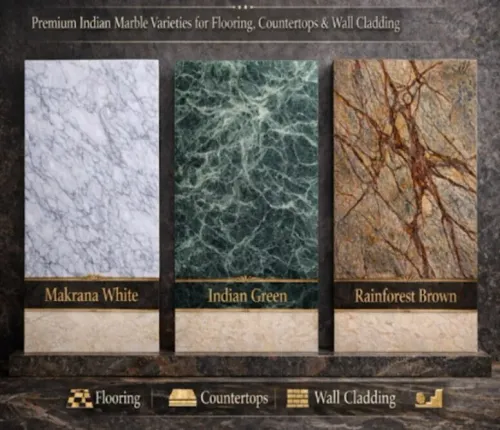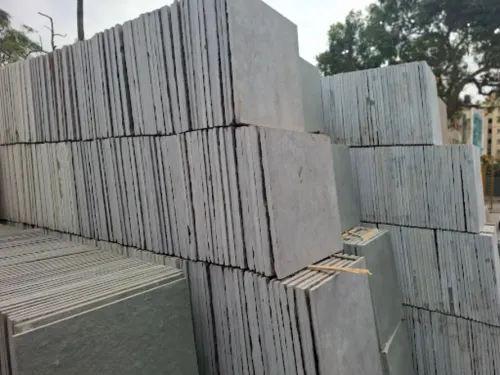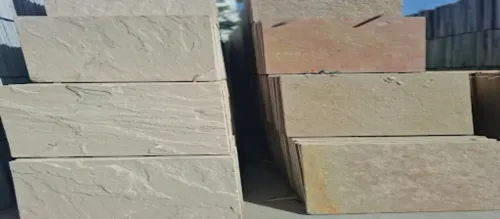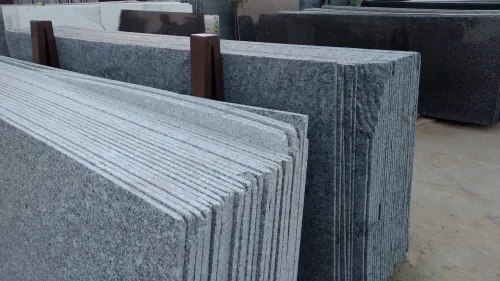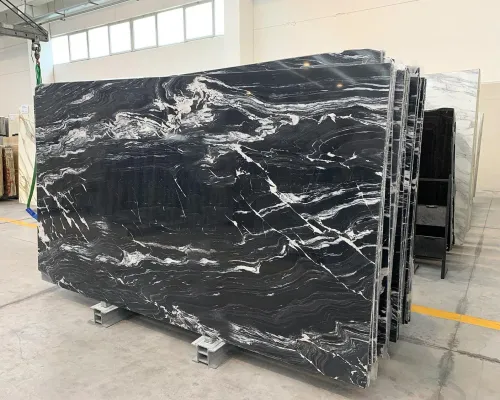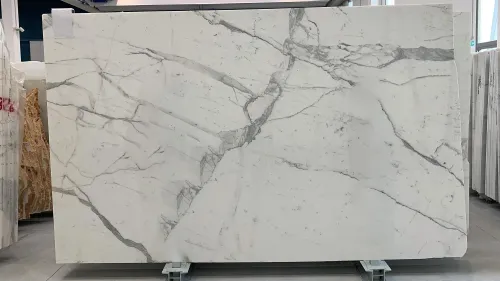
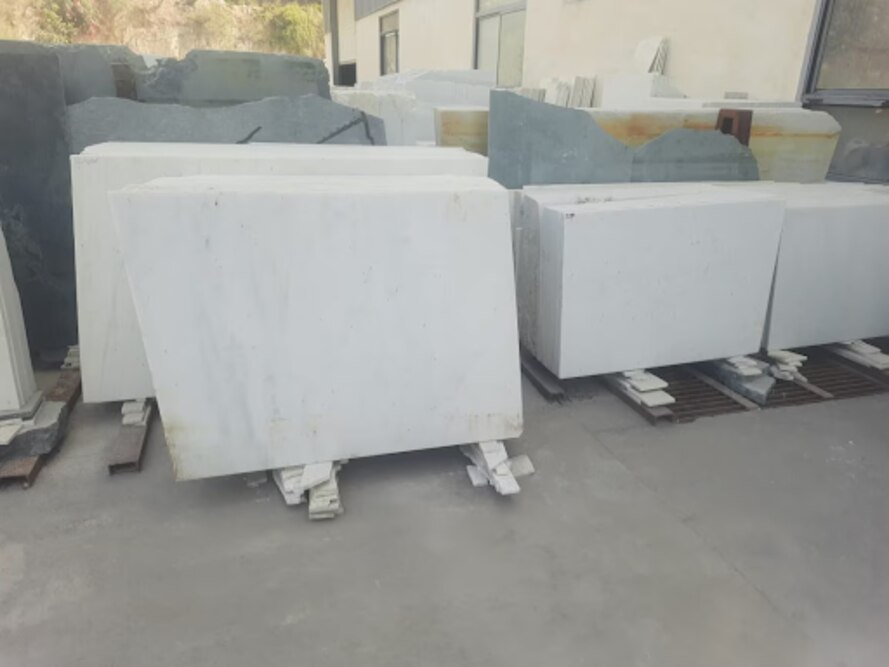
A marble name or small showroom sample cannot tell you how an entire floor, counter, or staircase will perform. Ask for traceable product information, inspect the actual slabs, and match the stone and finish to the room before you pay or approve cutting.
Key takeaways
- Confirm the stone type, quarry, country of origin, and production lot.
- Request water absorption, flexural strength, and abrasion test results.
- Inspect every slab for cracks, repairs, shade variation, and bookmatching.
- Get cutting, wastage, installation, delivery, care, and warranty terms in writing.
What exactly is this stone, and where did it come from?
Confirm the stone’s identity, quarry origin, country of origin, and production lot before comparing colour or price. A trade name or colour label is not enough: ask whether it is actually marble, or limestone, dolomitic stone, granite, or engineered stone.
Kota stone, for example, is limestone, not marble, and the difference affects absorption, hardness, and acid resistance.
Ask the dealer these questions:
- What is the exact marble type, quarry origin, and country of origin? Ask for the answers in writing on the quotation or invoice, not only in a conversation.
- Do the quoted slabs come from one block or production lot? Request the batch reference or lot number and have it recorded against the selected slabs.
- Can I inspect the actual slabs before approval? Lay them out together and check background shade, veining, fissures, thickness, resin-filled cracks, mesh backing, edges, and undersides.
- Are these slabs from the same batch reference? Different lots can vary in veining, shade, thickness, and porosity, even under the same commercial name.
- Which slabs suit my layout? For a large floor, staircase, kitchen, or book-matched wall, confirm vein direction and slab-to-slab transitions before cutting.
A small showroom sample cannot represent an entire installation. Approve the actual slabs, photograph their arrangement, and keep the written origin and lot details with your purchase records.
Which test results and application limits should you request?
Do not approve a slab on the word “premium.” Request a test report for the selected lot showing water absorption, flexural strength, thickness tolerance, and abrasion resistance, along with the test method and date. A showroom claim cannot tell you whether the stone will stain, crack, wear, or vary in thickness after installation.
Ask the dealer to state the application limits in writing:
- For floors, ask for abrasion resistance and a wet-slip result or coefficient of friction for the proposed finish. Do not accept polished marble in a wet entrance, bathroom, or balcony without a slip strategy.
- For wet areas, compare water absorption, finish, slope, drainage, and sealing requirements. Low absorption reduces staining and drying concerns but does not make marble waterproof.
- For kitchens, ask how the stone responds to acids, oils, heat, scratching, and daily cleaning. Honed marble hides etching better than polished marble; it does not prevent acid damage.
- For stairs and sills, use flexural strength and thickness tolerance to confirm that the specified thickness suits the span, edge profile, support, and overhang.
- For exterior work, request water absorption, flexural strength, wet-slip data, and the dealer’s written limits for exposure, drainage, and temperature changes.
| Application | Evidence to request | Decision |
|---|---|---|
| Floor | Abrasion resistance, flexural strength, wet-slip result | Confirm wear and slip performance |
| Wet area | Water absorption, finish, wet-slip result | Confirm staining, drying, and traction strategy |
| Kitchen | Absorption, acid and scratch guidance | Confirm maintenance burden |
| Exterior | Absorption, strength, wet-slip data | Confirm exposure suitability |
How should you inspect the actual slabs and choose a finish?
A full slab inspection is the only reliable way to approve the marble’s actual colour, veining, fissures, and shade variation. Lay the slabs that will be used together, especially for book-matched walls, large floors, stairs, or kitchen counters. Check the face, edges, underside, thickness, chipped corners, and hairline cracks before cutting.
Ask these questions before signing off:
- Are there resin-filled cracks, and will the repairs remain visible after cutting and polishing?
- Does the slab have mesh backing? Can it affect edge fabrication, heat exposure, or later repair?
- Are the fissures stable, or do they cross areas that will be drilled, cut, or exposed at an edge?
- Can you record slab numbers, dimensions, damage, and shade differences before fabrication?
Factory resin and mesh can stabilise a slab, but neither proves that the marble is crack-free. Photograph the approved slabs and inspect them again at delivery; damage becomes harder to dispute after cutting.
| Finish | Appearance and maintenance | Slip and use considerations |
|---|---|---|
| Polished marble finish | Bright, high-contrast veins; shows scratches, etching, and water marks readily | Avoid as the default for wet floors, entrances, balconies, and sloped areas; request a wet-slip or coefficient-of-friction result |
| Honed | Soft, low-sheen appearance; reduces visual contrast but still scratches and etches | Better visual tolerance for daily wear; it does not make calcite-based marble acid-resistant or scratch-proof |
| Textured or flamed where suitable | More surface grip and less glare; traps dust and needs deeper cleaning | Consider for wet or exposed areas only after confirming the finish is suitable for that marble and the intended maintenance routine |
What must the quotation cover before cutting or installation?
Do not approve cutting from a verbal total. Require a written marble quotation that identifies the actual slabs, slab thickness, finished quantities, and every charge and responsibility. The purchased area can exceed the finished area because of fissures, slab layout, vein matching, and bookmatching.
1. Ask for separate amounts for material, cutting, edge finishing, sink and hob cut-outs, skirting, wastage, transport, loading, installation charges, sealing, and repairs. State how wastage is calculated and who pays if a slab breaks during fabrication.
2. Record the permitted fabrication details: edge profile, cut-out dimensions, support spacing, and maximum unsupported overhang. An 18- or 20-mm slab is not automatically suitable for every counter, stair tread, vanity, or projecting edge.
3. Write down how the slabs will be packed, transported, stored, and inspected. Inspect them before cutting and record cracks, chipped corners, shade differences, dimensions, mesh backing, and visible fissures; acceptance after cutting weakens your position.
4. Name the installation system, adhesive, grout, and moisture-control method. Light marble can show dark adhesive, trapped moisture, rust, or substrate staining, so request a small-area mock-up before full installation.
5. State who approves slab arrangement and who handles defects. If Nakoda Marble is quoting, ask the same document to distinguish natural variation and etching from fabrication defects, installation failure, delivery breakage, and the warranty remedy for each.
What care, delivery, and warranty questions should you settle?
Set the acceptance point before the truck arrives. Ask how the slabs will be packed, transported, unloaded, and stored, and make the delivery inspection a written condition before cutting.
Photograph each slab and record cracks, chipped corners, shade differences, thickness, and dimensions; polishing or fabrication can expose hairline fissures and edge damage that were easy to miss.
- Who protects the marble during transport, site storage, cutting, installation, and handover?
- What happens if damage appears during delivery, and who pays for replacement, extra transport, or remaking?
- Which warranty exclusions apply to colour variation, natural fissures, acid etching, staining, installation failure, and breakage after delivery?
- What is the remedy for a fabrication defect: repair, replacement slab, credit, or refund?
- Which marble sealer will be applied, who applies it, and what service interval does the manufacturer specify?
- What written cleaning schedule should you follow, including dust removal and use of a neutral stone cleaner?
- What happens if lemon, vinegar, wine, bathroom descaler, or another acidic cleaner contacts the surface?
A penetrating sealer reduces absorption; it does not make marble acid-proof or stain-proof. Ask for the warranty, exclusions, sealer product name, maintenance instructions, and complaint deadline in writing. Do not accept the order after cutting unless the quotation states how concealed defects and installation damage will be assessed.
Frequently asked questions
What should you ask to confirm a marble slab’s identity and origin?
Ask whether the stone is marble, limestone, dolomitic stone, granite, or engineered stone. Request its trade name, quarry origin, country of origin, and production lot.
Which marble test results should you request?
Request the stone’s water absorption, flexural strength, compressive strength, and abrasion-resistance results. Match those results to the intended use, such as flooring, stairs, walls, or kitchen surfaces.
How should you inspect marble slabs before selecting them?
Inspect the actual slabs in good light for cracks, filled fissures, resin repairs, edge damage, shade variation, thickness differences, and pattern continuity. Confirm the finish, such as polished, honed, or leathered, against the maintenance and slip requirements of the space.
What should a marble quotation include?
Require the quotation to state slab selection, thickness, measurements, cutting, edge profiles, wastage, polishing, transport, unloading, installation, taxes, sealing, and breakage responsibility. Confirm the final approval process before cutting.
What care, delivery, and warranty questions should you settle?
Ask which cleaner and sealer the stone requires, how quickly spills must be removed, and how often resealing is recommended. Confirm delivery inspection, packaging, breakage claims, installation defects, shade variation, and the warranty exclusions in writing.