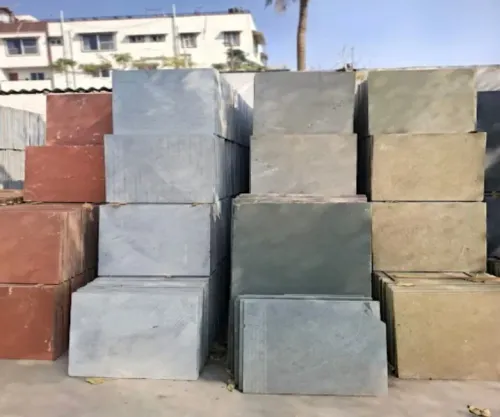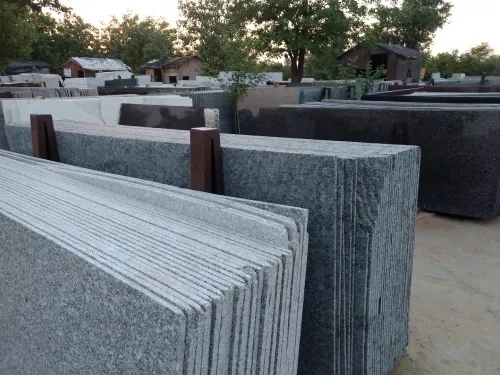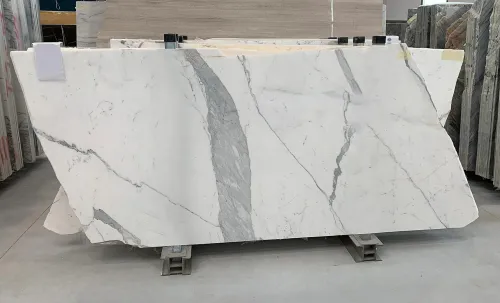
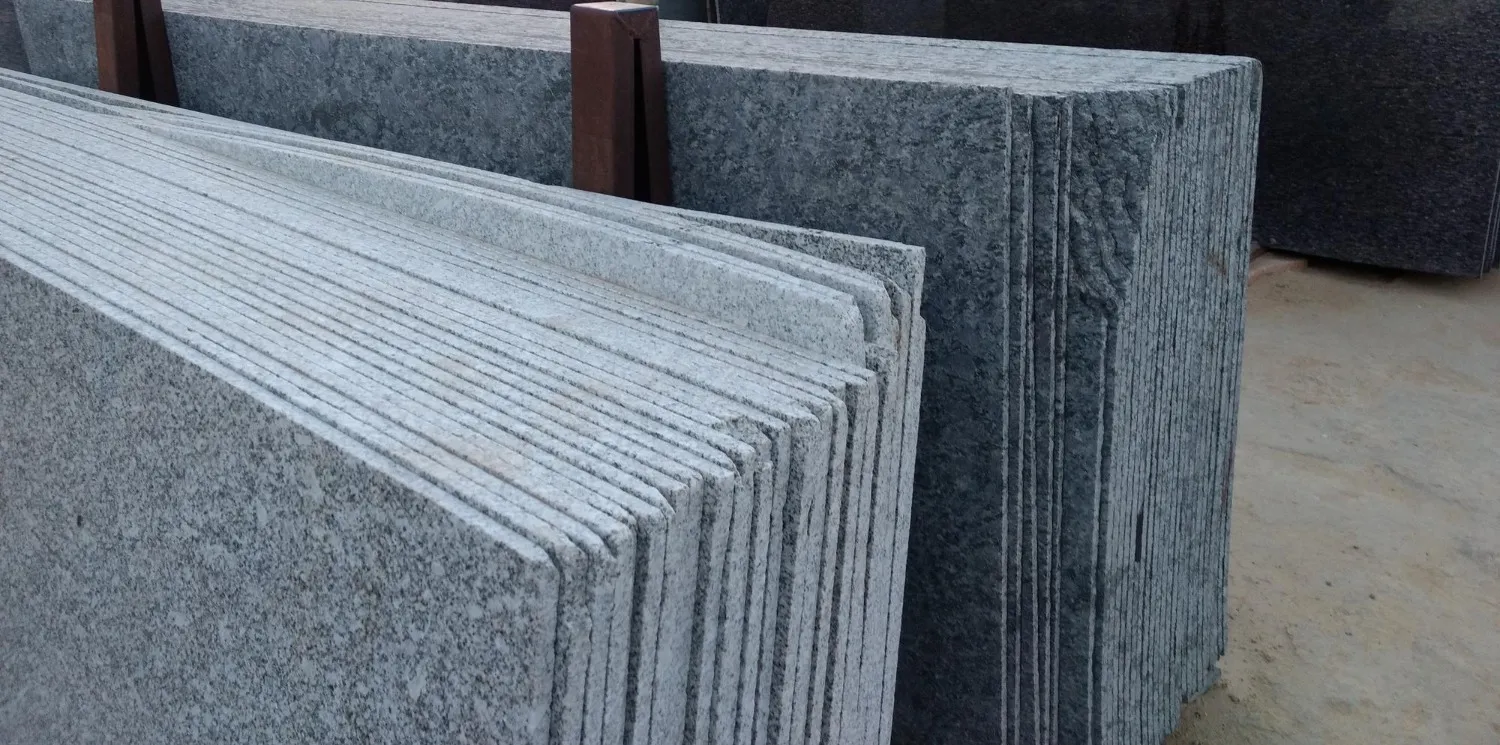
Granite is widely used in residential and commercial construction because it combines natural appearance with practical performance. Kitchen counters, staircases, flooring, wall applications and other high-use surfaces can all incorporate granite. Yet the term granite covers a broad range of colours, patterns, finishes and material characteristics, making supplier evaluation an important part of purchasing.
For projects in Adugodi, Karnataka, selecting a Granite Dealer should begin with understanding the intended use of the stone rather than simply choosing the most attractive sample.
Start With the Application
Different applications place different demands on granite.
A kitchen countertop may require attention to surface finish, stain management and edge fabrication. Staircases need accurate sizing and practical finishing. Flooring projects may require greater consistency across a larger quantity of material.
Before selecting stone, buyers should know:
- Where the granite will be installed
- Approximate measurements
- Required slab thickness
- Preferred colour
- Surface finish
- Edge requirements
- Quantity needed
Having this information makes supplier discussions more productive.
Look at Full Slabs
Small samples are useful for initial colour selection, but they do not always show the complete character of natural stone.
A full slab may contain grain movement, mineral deposits and pattern changes that are not visible in a small piece. This becomes particularly important when granite will cover a large kitchen island, reception desk, wall panel or other visually prominent surface.
Where possible, inspect the actual material before finalisation.
Check Colour Consistency Across Quantity
Natural variation is expected, but buyers should understand how much variation exists within the quantity being considered.
For larger projects, slabs may need to be selected with visual continuity in mind. A contractor purchasing granite for several rooms, for example, may approach selection differently from a homeowner buying a single countertop.
A knowledgeable Granite Dealer should help buyers understand these differences before material is dispatched.
Review Finish Requirements
Granite can be processed into different finishes, each producing a distinct appearance and texture.
A highly polished finish can create a smooth reflective surface, while other finishes may provide a more subdued visual effect. Selection should be based on the design concept and application rather than appearance alone.
Ask whether the material is supplied in the required finish and whether additional processing will be necessary.
Calculate the Complete Quantity
Underestimating stone quantity can create difficulties later, particularly when additional material from the same visual lot is unavailable.
Measurements should account for:
- Cutting layouts
- Edge pieces
- Openings
- Pattern alignment
- Breakage allowance
- Reasonable installation wastage
Contractors and fabricators can help determine appropriate quantities based on actual site drawings.
Evaluate Practical Supplier Support
A supplier's role extends beyond displaying stone. Clear communication about availability, dimensions, material characteristics and dispatch arrangements can reduce project uncertainty.
This is especially relevant for builders and contractors managing scheduled work in Adugodi, Karnataka, where delayed material decisions may affect fabrication and installation activities.
Nakoda Marble supplies natural stone to homeowners, designers, builders and other project buyers. When assessing any granite source, buyers should compare material suitability, slab condition, available quantity and service clarity rather than focusing on one factor alone.
Granite can remain part of an interior for many years. Spending additional time on selection at the beginning can help prevent mismatched material, unnecessary wastage and avoidable changes during installation.
Keywords