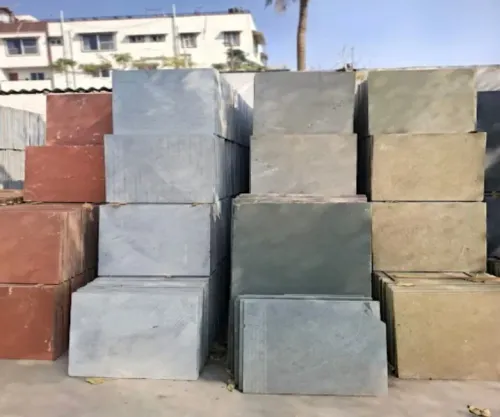
Selecting Marble Slabs is one of the stages where interior design decisions become highly specific. A marble name may establish the general colour and character, but the individual slabs determine how the completed floor, wall or counter will actually look.
For projects in Adugodi, Karnataka, slab selection can help homeowners, architects and contractors achieve greater visual consistency while reducing avoidable material waste.
Begin With Accurate Measurements
Before selecting slabs, know how much material the project requires.
Measurements should account for the finished surface plus realistic allowances for cuts, openings, edge pieces and installation wastage.
For complex spaces, fabricators can prepare cutting layouts based on slab dimensions. This is often more reliable than estimating quantities solely from total floor area.
View Full Slabs Whenever Possible
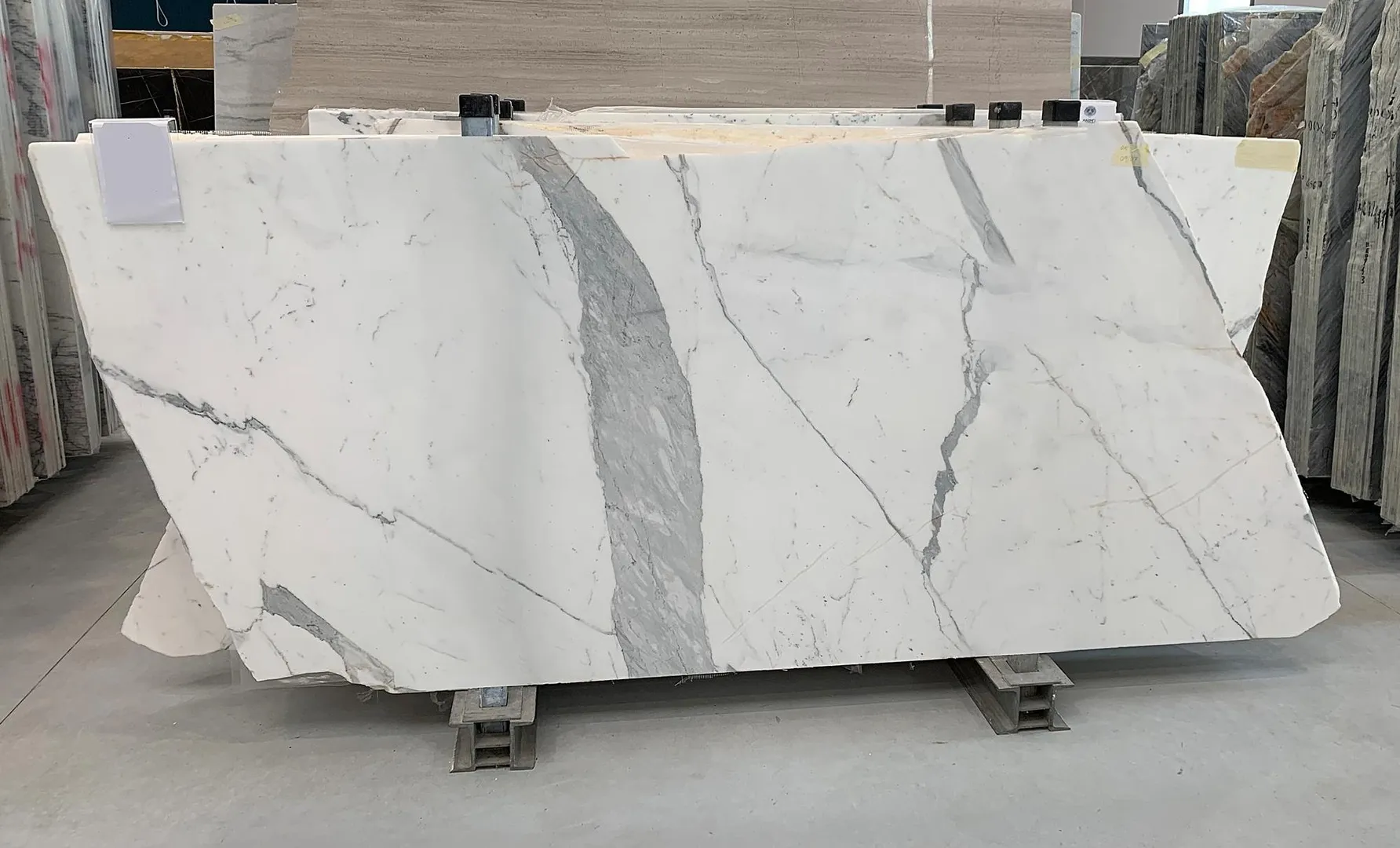
Marble patterns can change significantly across the surface.
One corner of a slab may appear relatively plain while another contains strong veining. A small sample cannot represent this movement accurately.
Viewing full Marble Slabs allows buyers to evaluate:
- Base colour
- Vein density
- Pattern direction
- Natural markings
- Overall consistency
- Visible surface condition
For statement applications, these factors can be central to the design.
Consider Adjacent Slabs Together
Large surfaces may require multiple slabs.
Instead of approving each slab independently, consider how they will appear next to one another. Similar base tones can help create visual continuity, while deliberate pattern variation may be appropriate for more expressive designs.
Designers can number selected slabs and communicate the preferred sequence to the fabricator.
Think About Cutting Before Installation
A slab that looks excellent in full form may need to be cut into several pieces.
Understanding where cuts will fall can help preserve attractive veins and avoid placing visually important sections in areas that will be removed for openings.
This is particularly valuable for vanity counters, kitchen islands, wall panels and staircase components.
Match Thickness to Project Requirements
Thickness should be confirmed before material is finalised.
The architect, fabricator or contractor can advise what the project drawings require. Correct planning also helps ensure that marble aligns properly with neighbouring materials and finished floor levels.
Check Surface Finish
Finish changes the way colour and veining are perceived.
A polished surface typically reflects more light, while alternative finishes can create a softer visual effect. Buyers should understand what finish is being supplied and what processing may take place later.
Keep Natural Variation in Perspective
Variation is part of the appeal of natural marble.
Trying to make every slab look identical can create unrealistic expectations. A better approach is to understand the acceptable range of variation and plan how it will be distributed across the space.
Nakoda Marble works with project customers considering different natural stone options. Buyers in Adugodi, Karnataka, can improve slab selection by arriving with dimensions, application details and a clear design direction.
Good marble selection is not simply about finding one beautiful slab. It involves choosing a group of slabs that work together, fit the cutting plan and support the visual goals of the completed project.
When those decisions are made before fabrication, installation becomes easier to coordinate and the natural character of marble can be used more intentionally.
Keywords